13 Effective Ways To Lose Weight Without Dieting
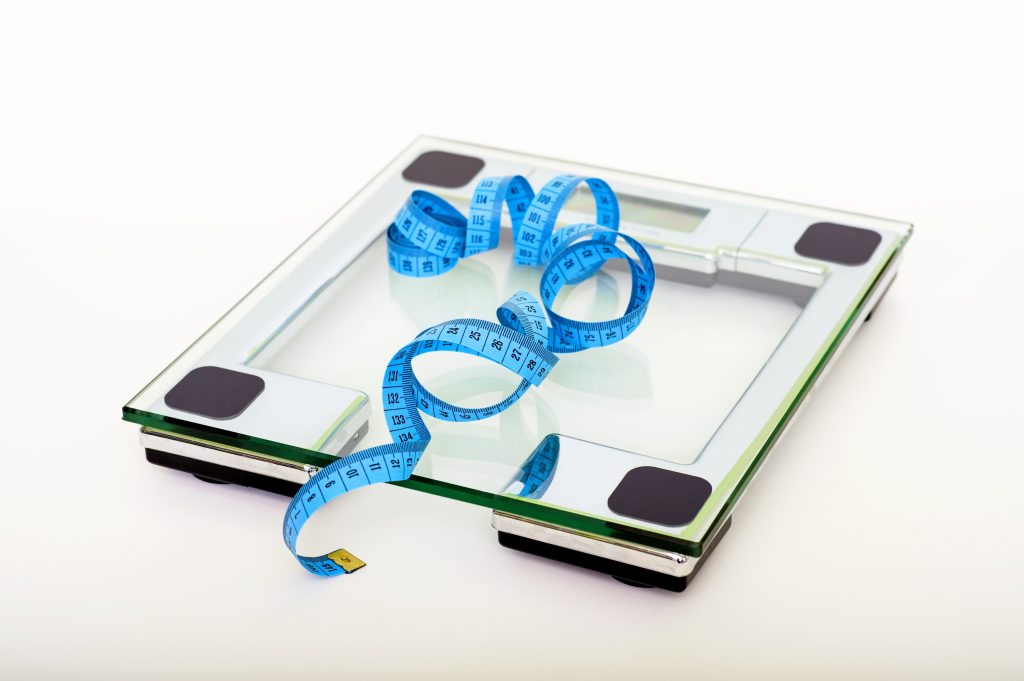
Losing weight is a common goal for many people, but it can often be associated with restrictive diets and strict meal plans. However, there are other ways to achieve weight loss without depriving yourself of your favorite foods. In this article, we will explore some effective ways to lose weight without dieting.
1. Increase Physical Activity
Physical activity is one of the most effective ways to increase your metabolism and burn more calories. Aim to get at least 30 minutes of moderate to vigorous exercise every day. This can include anything from a brisk walk to a yoga class.
You can also incorporate more physical activity into your daily routine by taking the stairs instead of the elevator, going for a walk on your lunch break, or doing household chores like cleaning and gardening. The more active you are, the more calories you will burn, and the easier it will be to lose weight.
2. Stay Hydrated
Drinking plenty of water can help you feel fuller and prevent overeating. Aim for at least eight glasses of water a day, and avoid sugary drinks that can add extra calories to your diet.
Drinking water before a meal can also help you feel more full, reducing the amount of food you eat. In addition, staying hydrated can improve your overall health, and help with digestion, energy levels, and skin health.
3. Get Enough Sleep
Sleep plays a crucial role in weight management. When you don’t get enough sleep, it can lead to hormonal imbalances that increase your appetite and cravings for unhealthy foods.
Aim for at least 7-8 hours of sleep each night, and try to establish a regular sleep routine. Getting enough sleep can also improve your mood, concentration, and overall health.
4. Reduce Stress
Stress can lead to overeating and weight gain, as people often turn to comfort foods for relief. Finding healthy ways to manage stress, such as meditation, yoga, or exercise, can help you avoid overeating and reduce the impact of stress on your weight.
Taking a few deep breaths, going for a walk, or listening to music can also help you relax and reduce stress.
5. Make Healthy Food Choices
Instead of completely cutting out your favorite foods, try to make healthier versions. For example, opt for whole grain bread instead of white bread, or choose baked sweet potato fries instead of regular french fries.
Making small changes to your diet can make a big difference, and you can still enjoy the foods you love while losing weight.
6. Avoid Skipping Meals
Skipping meals can lead to overeating and weight gain, as you are more likely to reach for unhealthy snacks when you get hungry. Eating three balanced meals a day, along with healthy snacks, can help you feel full and prevent overeating.
Plan your meals in advance, and have healthy snacks on hand to prevent overeating and maintain a balanced diet.
7. Eat Protein-Rich Foods
Incorporating protein-rich foods into your diet can help you feel fuller for longer and prevent overeating. Good sources of protein include chicken, fish, eggs, beans, and tofu. Eating protein can also help build lean muscle mass, which in turn can increase your metabolism and help you burn more calories.
8. Avoid Refined Carbohydrates
Refined carbohydrates such as white bread, pasta, and sugar can cause blood sugar spikes, leading to cravings and overeating. Instead, opt for whole-grain alternatives and limit your intake of sugary foods.
9. Drink Black Coffee
Black coffee is a low-calorie beverage that can help increase metabolism and boost energy levels. Drinking coffee can also help you feel full, reducing the amount of food you eat. However, be mindful of adding cream and sugar, as these can add extra calories to your diet.
10. Eat Fiber-Rich Foods
Eating fiber-rich foods can help you feel fuller for longer and prevent overeating. Good sources of fiber include fruits, vegetables, whole grains, and legumes. Eating fiber can also improve digestion, prevent constipation, and lower cholesterol levels.
11. Chew More
Chewing your food more thoroughly can help you feel more satisfied and prevent overeating. Eating slowly and savoring each bite can also improve digestion, as the process of breaking down food starts in the mouth. Take the time to enjoy your meals, and focus on the flavors, textures, and aromas of the food.
12. Use Small Plates
Using smaller plates can help you eat less and feel more satisfied. Research has shown that people tend to eat less when using smaller plates, as it gives the illusion of eating more food. This technique can help you portion your food more accurately and reduce overeating.
13. Eat More Fruits and Vegetables
Eating more fruits and vegetables can help you achieve your weight loss goals without dieting. Fruits and vegetables are low in calories and high in fiber, making them a great addition to your diet. They are also packed with vitamins, minerals, and antioxidants, and can help improve your overall health.
Wrapping up
Losing weight without dieting requires a change in lifestyle and adopting healthier habits. By increasing physical activity, practicing mindful eating, staying hydrated, getting enough sleep, reducing stress, making healthy food choices, and avoiding skipping meals, you can achieve your weight loss goals.
Additionally, incorporating strength training, eating protein-rich foods, avoiding refined carbohydrates, drinking black coffee, eating fiber-rich foods, chewing more, using small plates, and eating more fruits and vegetables can all help you lose weight and improve your overall health.
Remember, losing weight is a journey, and it is important to be kind to yourself and celebrate your progress along the way.